Building Strong Foundations for Residential and Commercial Success in the Cowichan Valley
Excavation is often the first and most critical step in any construction or landscaping project. Whether preparing a new home foundation, building a retaining wall, or reshaping land for better drainage, excavation sets the stage for everything that follows. In regions like the Cowichan Valley—where terrain, rainfall, and soil composition vary dramatically—professional excavation isn’t just a convenience; it’s a necessity for structural integrity, safety, and long-term performance.
This article examines the pivotal role excavation plays in both home construction and landscaping, highlighting why proper planning and skilled operation are crucial to the success of these projects.
Understanding the Purpose of Excavation
Excavation involves more than simply moving dirt. It’s a calculated process designed to create a solid foundation for new builds, improve land usability, and manage water flow. Every excavation project—residential or commercial—begins with careful planning, surveying, and soil assessment to ensure the land is ready for what’s to come.
Common Excavation Applications
New Home Construction Excavation for new homes involves digging foundations, basements, or crawl spaces to the precise depth and dimensions required by engineering plans. This ensures structural stability and prevents future settlement issues.
Land Clearing and Grading:Before construction or landscaping begins, land must be cleared of vegetation, rocks, and debris. Grading follows, reshaping the surface to achieve a smooth, even base suitable for building, planting, or installing driveways. This step also improves drainage by adjusting the land’s slope, which directs water away from structures and reduces the risk of pooling or erosion.
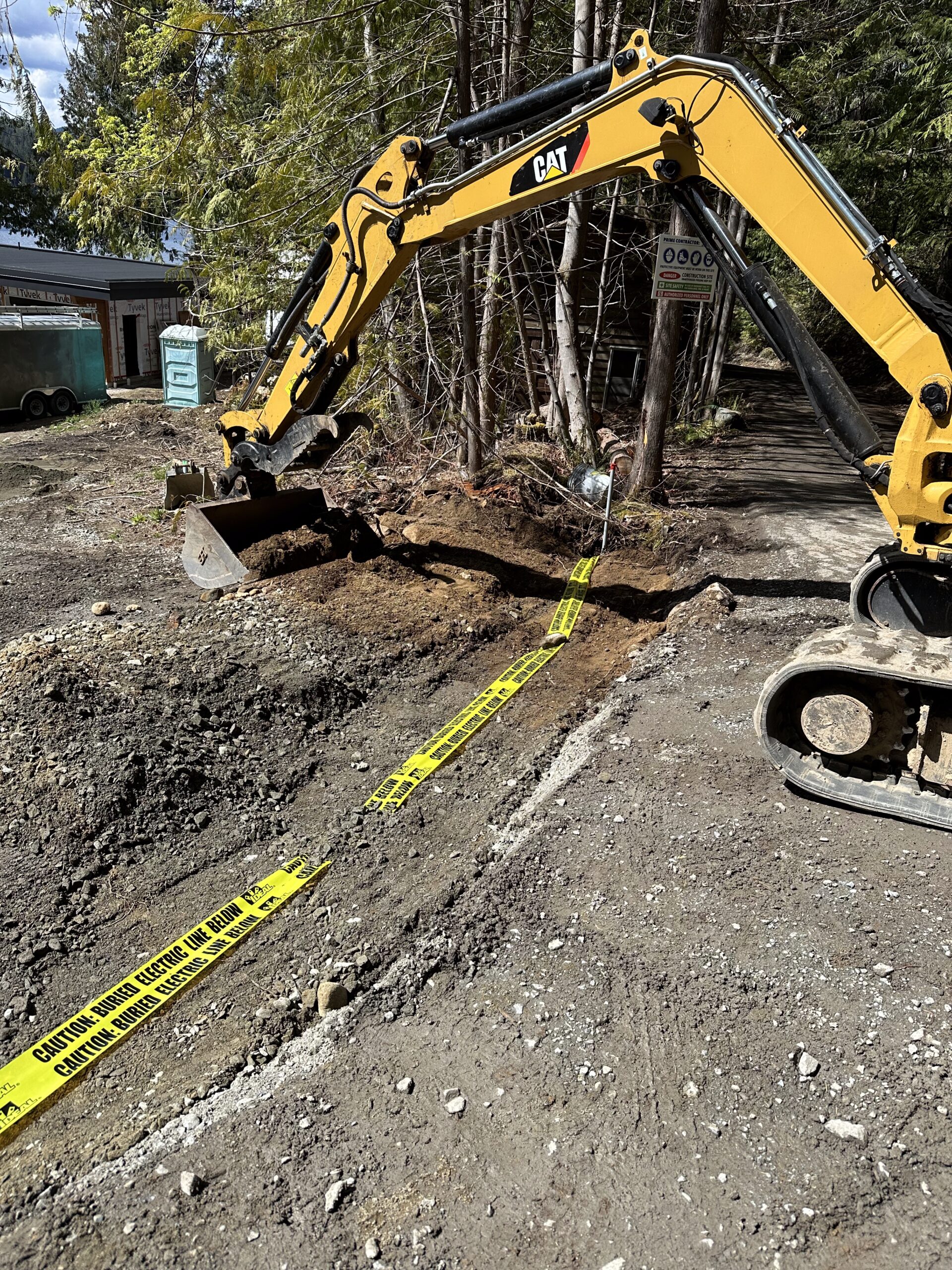
Drainage and Utility Trenching Proper drainage and utility trenching allow for the safe installation of pipes, cables, and water management systems. This process helps control surface runoff and ensures that utilities are easily accessible for future maintenance.
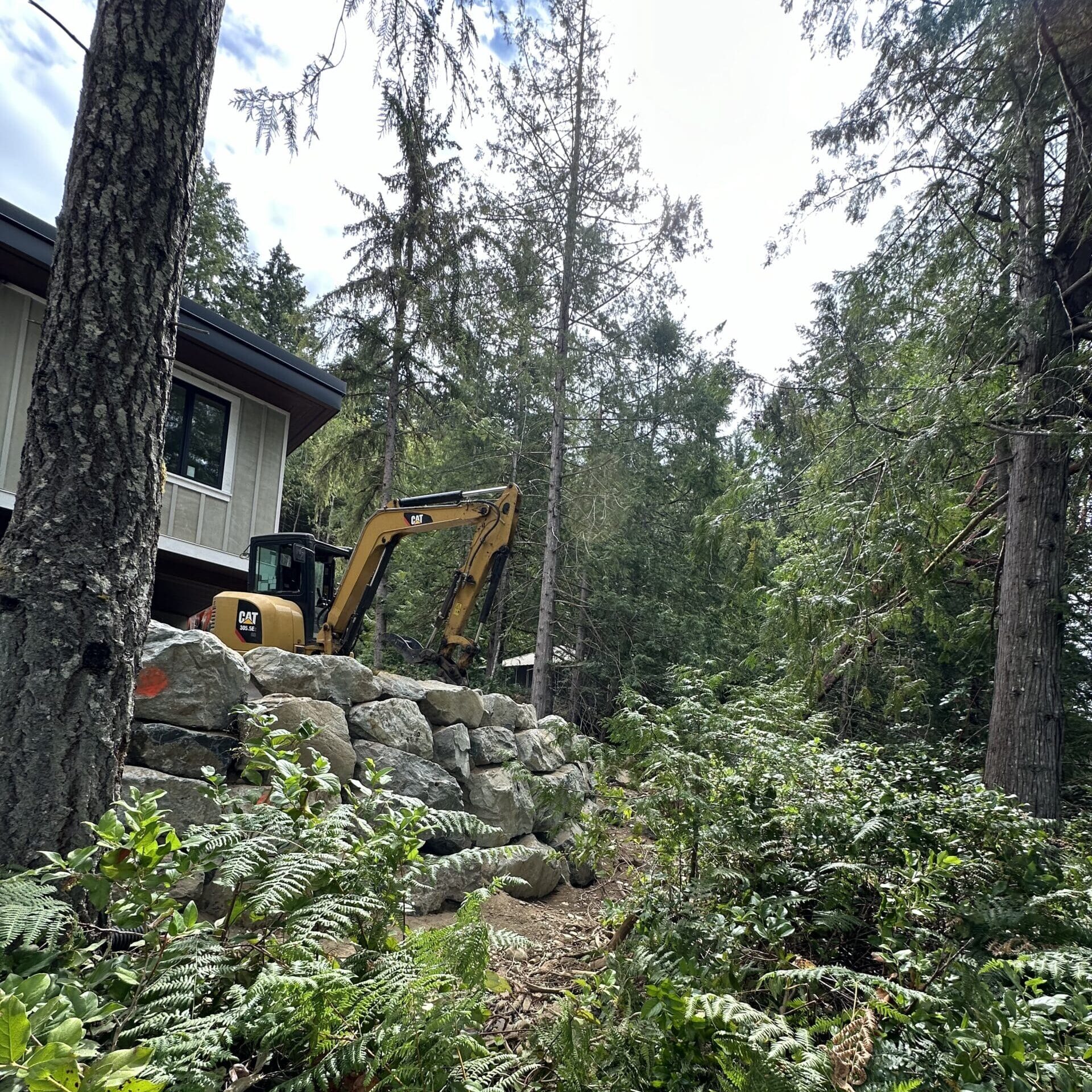
Retaining Walls and Erosion ControlOn uneven or sloped properties, excavation is essential for building retaining walls that prevent soil erosion. By establishing stable foundations and proper backfill, retaining systems can manage soil pressure and support landscaping design. Excavators must account for wall height, drainage behind the wall, and soil type to ensure long-term structural reliability.
Driveway and Access Road PreparationExcavation lays the foundation for driveways and access roads, ensuring durability and safe vehicle entry. The process includes soil removal, grading, and compacting to create a stable sub-base that resists rutting and washouts. Contractors also consider traffic weight, soil stability, and drainage flow to ensure roads and driveways remain functional through seasonal weather changes.
Always work with a Cowichan Valley excavation contractor familiar with local soil and weather patterns. In the Cowichan Valley, clay-heavy soil and frequent rainfall require specific grading angles and drainage solutions to prevent flooding or shifting foundations.
Excavation and Home Construction: The First Step Toward Stability
Before a single brick is laid, the land is prepared for construction through excavation. It determines how water drains around the structure, how the foundation settles, and how utilities will function.
1. Site Evaluation and Planning
A successful build begins with an assessment of soil type, moisture levels, and elevation. Contractors use surveying tools to evaluate slope, drainage potential, and access points. This step ensures compliance with municipal bylaws and building codes, while also avoiding issues such as soil erosion or flooding.
2. Foundation and Structural Excavation
Once plans are approved, excavation crews begin shaping the site. The soil is removed to the required depth, and trenches are formed for foundation walls or footings. Precision is key here—uneven excavation can lead to foundation cracks or structural movement over time.
3. Utility and Drainage Installation
After the foundation is set, the site is trenched for utilities, septic systems, and drainage. Proper slope and backfill materials prevent pooling and erosion, which are common problems in high-moisture zones like Duncan and Chemainus.
Key Takeaway:
A well-executed excavation not only ensures a strong foundation but also influences long-term maintenance costs. Careful grading and drainage planning reduce risks and costly repairs down the road.
The Role of Excavation in Landscaping and Property Enhancement
Landscaping isn’t just about aesthetics; it’s also about function, water management, and property value. Excavation plays a vital role in reshaping terrain, creating usable outdoor spaces, and preventing environmental issues.
1. Land Grading and Drainage Solutions
Grading ensures proper surface runoff, protecting lawns, gardens, and structures from water damage. In regions with heavy rainfall, even a few degrees of slope can make a difference between a thriving yard and a waterlogged one.
2. Retaining Walls and Structural Landscaping
For properties on sloped terrain, retaining walls add both support and visual appeal. Excavation ensures proper footing and backfill behind walls, preventing soil pressure from causing the walls to collapse.
3. Pond, Driveway, and Pathway Creation
Whether digging decorative ponds or shaping driveways, excavation determines the layout and usability of outdoor spaces. It also allows for precise levelling to accommodate stonework or pavement installation.
Did You Know?
Proper grading can increase usable outdoor space by up to 20% on uneven properties—making excavation one of the most cost-effective landscape improvements available.
Excavation for Builders and Developers: Efficiency, Compliance, and Precision
Beyond individual homes, excavation plays a significant role in commercial and subdivision projects across Vancouver Island. Developers and builders rely on consistent, well-managed excavation to meet project timelines and comply with relevant standards.
Key Advantages for Developers
Contractor Insight:
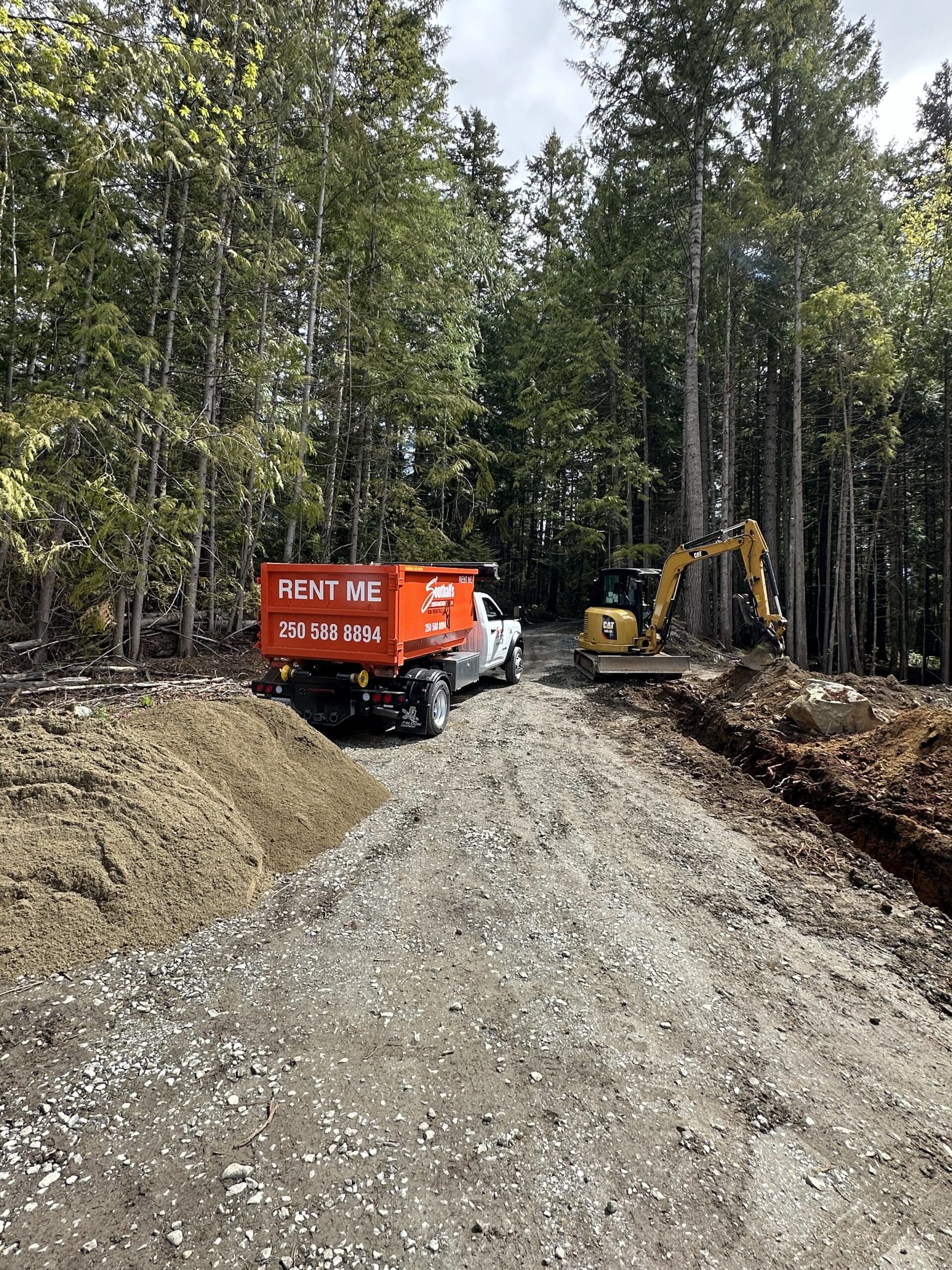
Partnering with a single provider for excavation, hauling, and bin rental simplifies logistics and can reduce costs compared to hiring multiple subcontractors.
Environmental Responsibility and Sustainable Practices
Modern excavation isn’t just about shaping land; it also involves careful environmental consideration. Sustainable practices focus on minimizing land disturbance and reducing the impact of construction on nearby ecosystems. Responsible contractors plan projects with environmental preservation in mind from the start.
Proper management of soil and debris is one of the most important aspects of sustainable excavation. Materials should be handled and transported in ways that minimize erosion and pollution. Reusable materials, such as gravel or fill, can often be repurposed on-site to reduce waste and transportation emissions.
Good drainage design and vegetation preservation are equally vital. Maintaining natural water flow and protecting native plants helps prevent runoff pollution and soil erosion. These measures support compliance with environmental standards while protecting the long-term health of local landscapes.
When hiring an excavation contractor, ask about their environmental policies and disposal methods—this can indicate their professionalism and long-term commitment to community standards.
Why Local Experience Matters in the Cowichan Valley
The Cowichan Valley’s unique topography requires hands-on experience. From clay-heavy soils to steep grades, every property presents a different challenge. Local excavation professionals understand the area’s drainage behaviour, permit processes, and environmental sensitivities.
Local expertise provides:
This combination of technical understanding and familiarity with regional terrain helps ensure project success in both residential and commercial settings.
Choosing a Qualified Excavation Partner
When selecting an excavation company, look for a balance of technical skill, reliability, and transparency. The right contractor should provide:
Always confirm that your excavation contractor carries liability insurance and adheres to WorkSafeBC standards—this protects you and your property throughout the project.
Final Thoughts
Excavation is the backbone of every successful construction and landscaping project. From ensuring stable foundations to creating functional outdoor spaces, it’s a discipline that combines precision, safety, and local knowledge. In regions like the Cowichan Valley, where natural conditions can be unpredictable, working with experienced professionals provides peace of mind and long-term reliability.
By understanding the vital role of excavation—and ensuring it’s done correctly—homeowners, builders, and developers alike can lay the groundwork for success, one site at a time.
Frequently Asked Questions
Need Help With Your Project?
Contact Southall Services for professional bin rentals, excavation, and hauling in the Cowichan Valley.