
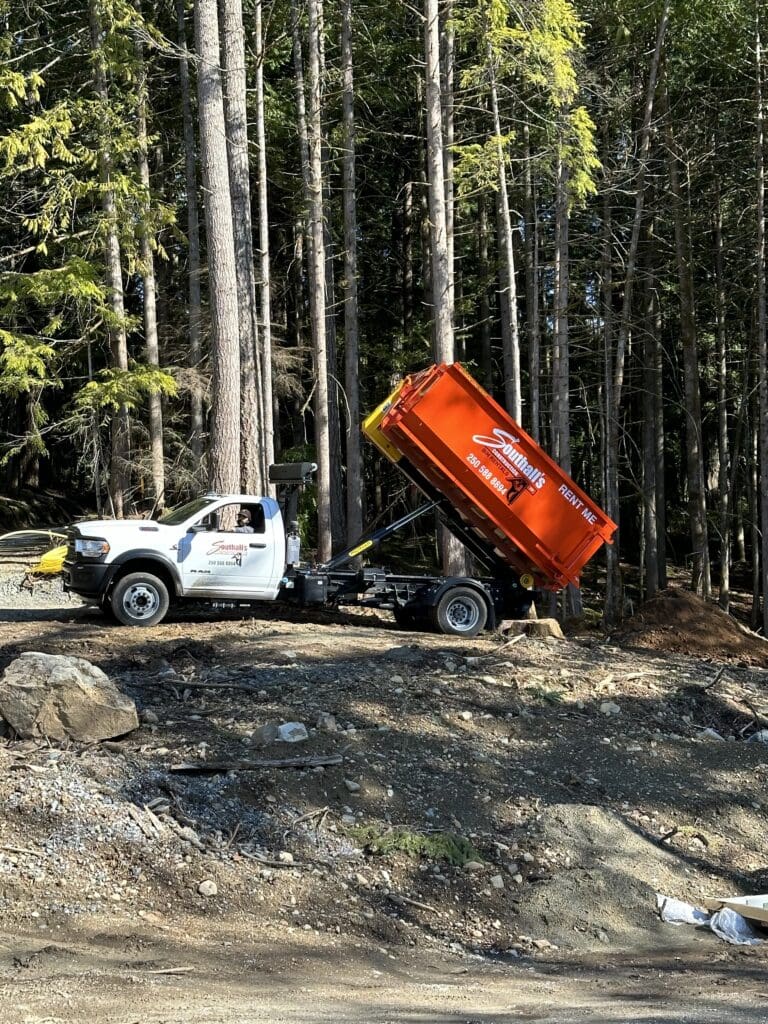
When planning a home renovation, landscaping project, or major clean-up, one of the first practical considerations is waste management. Renting a disposal bin makes it easy to handle debris efficiently, but understanding the true cost of contruction bin rentals can save you from unexpected charges later.
In the Cowichan Valley, prices can vary depending on bin size, rental duration, waste type, and location. This guide explains what you can expect to pay – and how to manage costs effectively when renting locally.
Bin rental costs across Duncan and the Cowichan Valley generally range from $275 to $500 for short-term residential use. However, the headline price is just part of the story. The total cost depends on several key factors:
Pro Tip:
For mixed renovation waste, a 12-yard bin offers a good balance between cost and capacity for most projects. It fits comfortably in residential driveways while holding a full bathroom or kitchen demo’s worth of debris.
In Duncan and the surrounding Cowichan Valley communities, bin rental costs depend largely on size and duration. For smaller home clean-ups or minor renovation projects, 10-yard bins typically range between $275 and $325 for a standard 24-hour rental, which includes delivery, pickup, and basic disposal within the local service area. These bins work well for general household waste, small landscaping jobs, or minor renovations.
For medium to large projects — such as kitchen remodels, roofing work, or estate cleanups — 12- to 20-yard bins are most common. Prices for these range from $325 to $500, depending on the weight and rental length. Most companies include one tonne of waste in the base price, with a daily extension option for about $20 to $30 per day. Customers outside Duncan’s core (for example, in Lake Cowichan or Cobble Hill) may also see small travel surcharges to cover additional distance.
Pro Tip:
When in doubt, choose a slightly larger bin than you think you’ll need. Overfilling or requiring a second bin often costs more than opting for a larger one at the start.
When comparing companies, look beyond the headline number. The inclusions can vary significantly.
The Cowichan Valley’s bin rental market includes both local family-owned businesses and larger regional operators. While many advertise similar bin sizes, pricing models differ. Local providers often use a transparent flat-rate model with a small tipping fee.
Larger franchises may include tipping weight in bundled pricing, which raises the base cost. Smaller student-run or part-time operations may offer lower prices but typically have limited availability or capacity.
Key Takeaway:
Transparent pricing helps avoid hidden costs. Look for companies that clearly list bin prices by size and duration, with separate fees for tipping or add-ons. This approach allows customers to control total costs more easily.
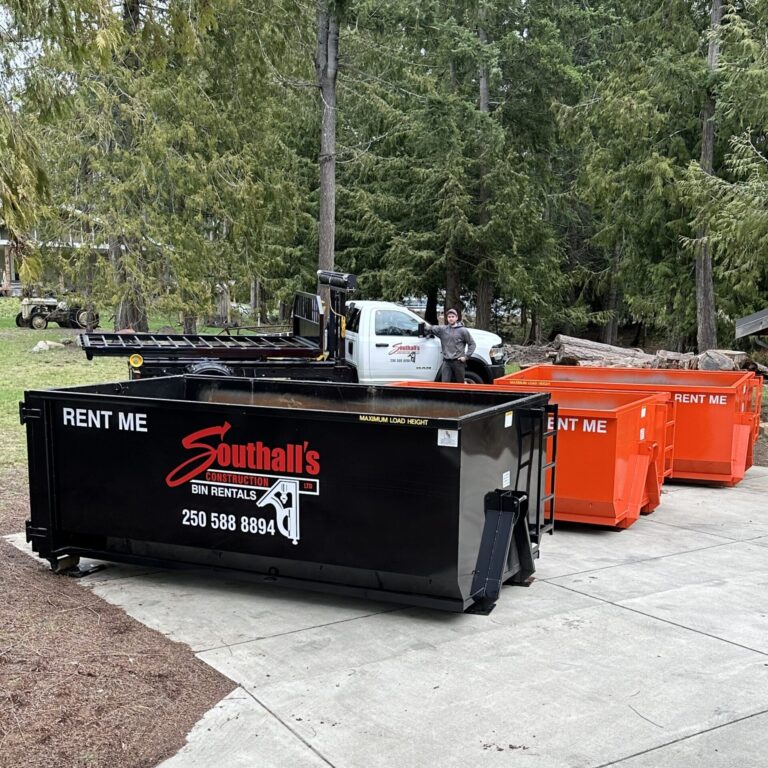
Not all waste is equal. The type of material you’re disposing of plays a significant role in your final bill. Household debris, such as mixed renovation waste, typically falls within the range of $150 to $200 per tonne, while green waste is generally cheaper, often around $100 to $140 per tonne.
Clean wood is moderately priced, ranging from $125 to $160 per ton. In contrast, drywall disposal can exceed $400 due to environmental handling requirements, and concrete or soil loads can range from $175 to $250 per ton, depending on the weight.
Pro Tip:
If your project involves heavy materials like concrete or soil, request a “rock box” style bin. These are designed for weight, not volume, and help avoid overweight surcharges.
Many homeowners underestimate bin weight or misjudge the type of waste they’ll have. To keep costs predictable:
Transparent pricing isn’t just about numbers — it’s about clarity and fairness. Some bin rental providers offer flat-rate base pricing for 10-, 12-, and 20-yard bins, as well as flexible extensions at daily rates, and environmentally responsible disposal that aligns with Cowichan Valley Regional District (CVRD) recycling standards.
Transparent pricing also fosters trust between customers and service providers, enabling people to make informed, confident decisions about their waste management. It ensures that the focus remains on value and fairness rather than unexpected fees or confusing fine print.
Key Takeaway:
A transparent, itemized invoice is your best protection against overpaying. Always ask for a full quote that includes tipping, distance, and rental duration.
Across Vancouver Island, most bin rental companies use different pricing models. Atlas Junk Removal lists a 12-yard bin at approximately $279, plus disposal, for a one-week rental. Bin2U in Nanaimo charges $299 for a 16-yard bin for three days, plus disposal. Save A Lot Hauling offers a flat rate of $489 for a 12-yard bin for three days, which includes one ton of waste.
Some providers in Duncan charge between $275 and $450, depending on bin size, with a 10% tipping fee and daily extensions of about $20. While some bundle disposal options involve higher upfront pricing, others employ a more flexible model that allows customers to pay only for what they use.
Before booking a bin, take a few minutes to estimate your total cost accurately:
Example:
A 12-yard bin for two days might cost $360, plus a 10% tipping fee ($36) and one extra day ($20), for a total of about $416.
Renting from a local business ensures faster delivery and pickup, better understanding of CVRD disposal regulations, and personalized advice on waste separation and recycling. It also keeps more of your spending within the Cowichan community, helping support other trades and local suppliers.
Local businesses also tend to reinvest in community initiatives, hire local employees, and use regional suppliers, creating a cycle of economic benefit that keeps the Cowichan Valley thriving. Choosing nearby services often means better communication and accountability, as providers understand local needs and expectations.
Understanding the true cost of bin rentals helps you budget more effectively and avoid unexpected fees. By considering bin size, waste type, duration, and service area, you can make informed decisions that keep your project efficient and affordable. Local providers offering clear pricing and reliable service are often the most practical choice for homeowners and contractors across Duncan and the Cowichan Valley.
Ultimately, taking time to understand how bin rental costs work can help you make more sustainable, cost-effective decisions. Whether you’re managing a home renovation or a commercial project, planning ahead ensures smooth disposal, predictable expenses, and peace of mind throughout the process.
Most 10-yard bins cost around $275–$325 for a 24-hour rental, including basic delivery and pickup.
Prohibited items typically include hazardous materials, propane tanks, paint, and electronics. Always confirm with your provider before disposal.
Yes. Many providers offer daily extensions for $20 per day. Customers often keep bins for two to three days for renovations or yard work.
Usually not for private driveways. However, bins placed on public streets in Duncan may require a short-term permit.
Choose the right size bin, avoid overweight loads, and separate recyclable materials to minimize disposal fees.