Excavation is often the first physical step in a construction or land‑improvement project, but long before any equipment arrives on site, there are regulatory considerations that need careful attention. In the Cowichan Valley, excavation work is shaped by a combination of provincial legislation, regional bylaws, municipal permitting requirements, and environmental protections that reflect the area’s diverse geography and sensitive ecosystems. Understanding these requirements is essential for homeowners, builders, and developers who want to avoid delays, unexpected costs, or compliance issues.
For property owners, the permitting and regulatory side of excavation can feel overwhelming. Requirements vary depending on whether a project is residential or commercial, urban or rural, and whether it involves activities such as land clearing, grading, drainage, or work near watercourses. This article explains how excavation permitting works in the Cowichan Valley, what regulations commonly apply, and why working with an experienced local excavation contractor makes a meaningful difference.
Why Permits and Regulations Matter in Excavation Projects
Excavation directly affects land stability, drainage patterns, neighbouring properties, and the surrounding environment. Because of these impacts, local and provincial authorities regulate excavation activities to protect public safety, infrastructure, and natural resources. These rules are not simply administrative hurdles; they exist to reduce the risk of slope failure, flooding, erosion, and damage to utilities or nearby structures.
In the Cowichan Valley, where terrain can shift from flat valley bottoms to steep rural hillsides within a short distance, regulatory oversight plays an important role. Soil composition, groundwater conditions, and proximity to streams or wetlands can significantly affect how excavation should be carried out. Permits and inspections help ensure that projects are planned with these factors in mind, rather than reacting to problems after they occur.
Understanding the Regulatory Landscape in the Cowichan Valley
Excavation projects in the region are governed by several layers of authority. While the exact requirements depend on location and scope, most projects fall under a mix of municipal bylaws, regional district regulations, and provincial legislation.
At the regional level, the Cowichan Valley Regional District (CVRD) oversees land use planning, environmental protection, and certain development permits. Individual municipalities such as Duncan, North Cowichan, Ladysmith, and Lake Cowichan each have their own bylaws that regulate excavation, grading, and land alteration. In rural areas outside municipal boundaries, regional and provincial rules often apply more directly.
Provincially, excavation is influenced by legislation related to environmental protection, worker safety, and utility infrastructure. These rules apply regardless of municipal boundaries and must be followed on every project.
Common Excavation Permits Required in the Cowichan Valley
While not every excavation project requires the same approvals, several permit types are commonly encountered in the Cowichan Valley.
Building and Site Preparation Permits
For projects associated with new construction, additions, or major structural work, excavation is typically covered under a building permit. These permits often include site preparation, foundation excavation, and grading as part of the approved scope. Local building departments review plans to ensure excavation aligns with zoning requirements, setbacks, and structural standards.
In some cases, even stand‑alone excavation or grading work may require a separate permit if it alters the natural grade of the land beyond a certain threshold. This is particularly common for larger residential properties and rural sites.
Development and Land Alteration Permits
The CVRD and local municipalities may require development permits for excavation work that affects slopes, environmentally sensitive areas, or designated development permit zones. These permits focus on mitigating risks such as erosion, landslides, and runoff.
Land alteration permits are often required when excavation involves:
Approval may depend on engineering reports or site assessments prepared by qualified professionals.
Local Insight:
In parts of the Cowichan Valley, slope stability and drainage are major concerns. Excavation permits in these areas often require additional documentation to demonstrate how the work will protect neighbouring properties and public infrastructure.
Environmental Regulations and Excavation
Environmental protection is a central consideration for excavation projects on Vancouver Island. The Cowichan Valley contains numerous streams, wetlands, and fish‑bearing waterways that are protected under provincial and federal regulations.
Riparian and Watercourse Protection
Excavation near streams, rivers, or wetlands is subject to strict setbacks and guidelines. Riparian areas are protected to preserve water quality, prevent erosion, and protect fish habitat. Even small projects may require assessments or approvals if they fall within designated riparian zones.
Work near watercourses may require coordination with provincial environmental authorities and, in some cases, federal agencies. Timing restrictions are also common to protect fish during sensitive spawning periods.
Soil and Sediment Control
Excavation can release sediment into nearby drainage systems if not properly managed. Regulations often require erosion and sediment control measures such as silt fencing, staged excavation, and controlled runoff management. These measures are particularly important during the rainy season, when uncontrolled sediment can quickly impact waterways.
Utility Locates and Safety Requirements
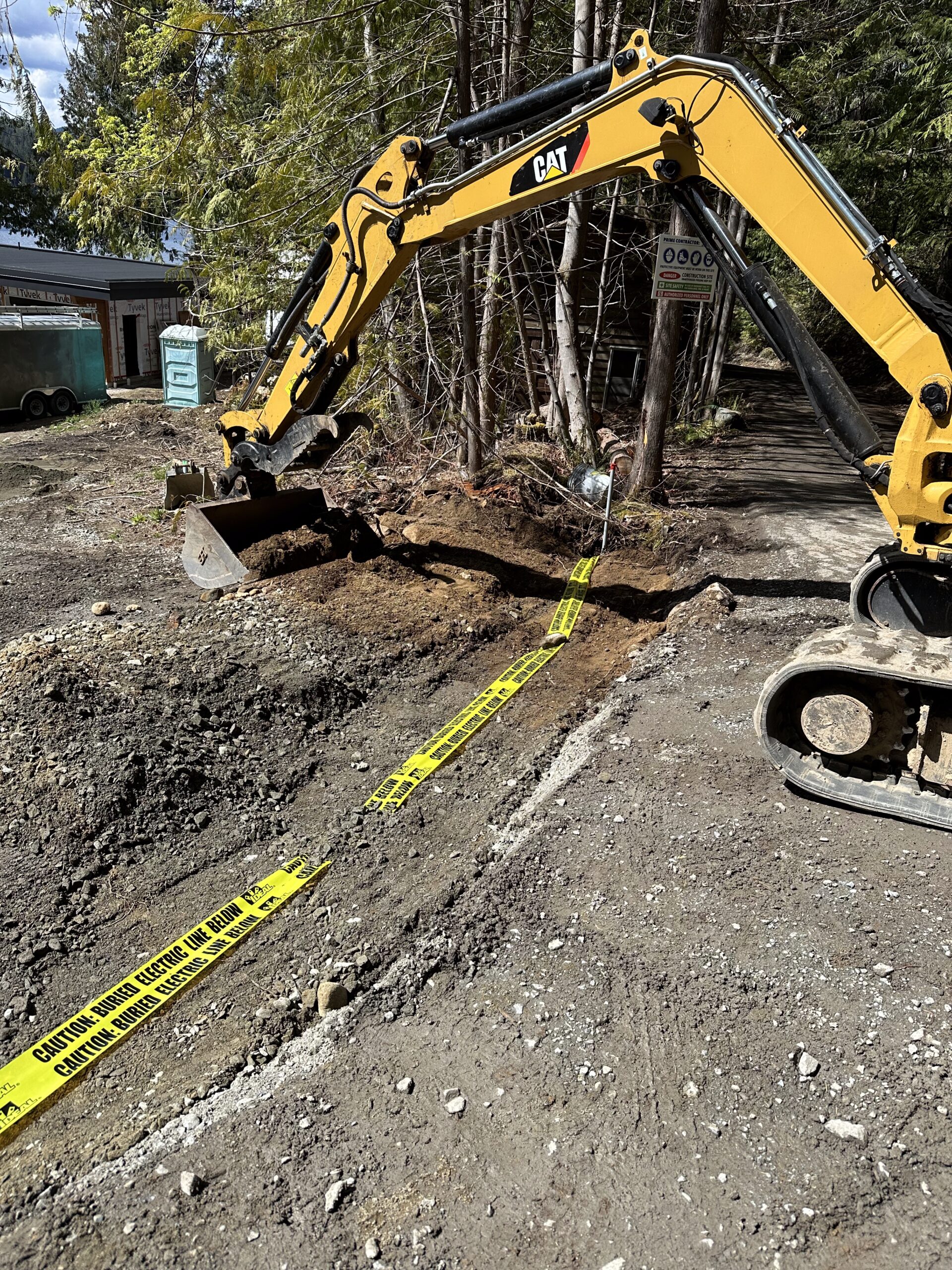
Before any excavation begins, provincial regulations require that underground utilities be located and marked. This process helps prevent damage to gas lines, electrical cables, water mains, and telecommunications infrastructure.
In British Columbia, property owners and contractors must request utility locates before digging. Failure to do so can result in serious safety risks, service disruptions, and liability for repair costs. Utility locates are a non‑negotiable step, regardless of project size.
Safety regulations also extend to excavation depth, trenching practices, and equipment operation. Provincial worker safety standards set out requirements for shoring, sloping, and access in excavated areas to protect workers and anyone else on site.
Municipal Bylaws That Affect Excavation
Local bylaws play a significant role in how excavation projects are planned and executed. These bylaws vary between municipalities, but commonly address:
In residential areas, bylaws often limit excavation activity to specific hours to reduce disruption. In rural areas, road access and weight restrictions can affect how material is hauled to and from the site.
Understanding and complying with these bylaws helps prevent stop‑work orders and neighbourhood complaints that can delay a project.
Planning Tip:
Excavation schedules should account for local noise bylaws and hauling restrictions. Early coordination reduces the risk of delays once work is underway.
Rural and Acreage Properties: Additional Considerations
Excavation on rural properties in the Cowichan Valley often comes with additional regulatory complexity. Larger parcels may include multiple environmental features, such as seasonal watercourses or protected vegetation, that trigger specific permitting requirements.
Access roads, long driveways, and limited turning space can also influence permitting and logistics. In some cases, temporary access improvements or road use permits may be required to safely move excavation equipment and haul material.
Because rural projects often involve greater scope and variability, regulatory review can be more detailed than for small urban excavations.
The Role of Engineering and Professional Assessments
For certain excavation projects, permits are contingent on professional assessments. These may include geotechnical reports, drainage plans, or engineered retaining wall designs. Such documents demonstrate that excavation work will be carried out safely and in compliance with applicable standards.
While these requirements add to the planning phase, they provide long‑term value by reducing the risk of structural issues, water problems, or regulatory disputes after construction is complete.
How an Experienced Local Excavation Contractor Helps
Navigating excavation permits and regulations requires local knowledge and practical experience. Contractors who regularly work in the Cowichan Valley understand how municipal staff interpret bylaws, what documentation is typically required, and how local soil and environmental conditions affect compliance.
An experienced contractor can:
This coordination reduces delays and helps ensure excavation work progresses smoothly from planning through completion.
Avoiding Common Regulatory Pitfalls
Many excavation delays stem from misunderstandings rather than intentional non‑compliance. Common issues include starting work before permits are finalized, underestimating environmental setbacks, or failing to plan for erosion control.
Early consultation with local authorities and qualified contractors helps clarify requirements before work begins. This proactive approach is particularly important in the Cowichan Valley, where site conditions can change dramatically over short distances.
Planning Ahead for a Compliant Excavation Project
Successful excavation projects are built on preparation as much as equipment. Understanding local permits, regulations, and requirements allows property owners to budget accurately, schedule effectively, and avoid unnecessary disruptions.
In the Cowichan Valley, where environmental sensitivity and varied terrain shape regulatory oversight, careful planning is essential. With the right information and experienced professionals involved early, excavation can proceed efficiently while meeting all local and provincial standards.
Conclusion
Excavation projects in the Cowichan Valley are shaped by more than just site conditions and equipment availability. Permits, regulations, and local requirements play a central role in determining how and when work can proceed, particularly in a region known for its varied terrain, sensitive waterways, and mix of urban and rural properties.
By understanding the layers of municipal, regional, and provincial oversight that apply to excavation, property owners can plan more effectively and reduce the risk of delays, added costs, or compliance issues. From building and land alteration permits to environmental protections and utility safety requirements, each regulation exists to protect long-term land stability, neighbouring properties, and public infrastructure.
Successful excavation begins well before the first bucket of soil is moved. Early planning, professional assessments where required, and coordination with experienced local excavation contractors help ensure projects move forward efficiently and responsibly. With the right preparation and a clear understanding of local requirements, excavation work in the Cowichan Valley can be completed smoothly while meeting all regulatory expectations.
Frequently Asked Questions
Need Help With Your Project?
Contact Southall Services for professional bin rentals, excavation, and hauling in the Cowichan Valley.